The Full Story
I quit my job at 22 to buy houses across the border.
Business Insider ran my story on August 28, 2026, as told to Jordan Pandy. This is that story in my own words, with my photos. If you'd rather read the original, it's right here.
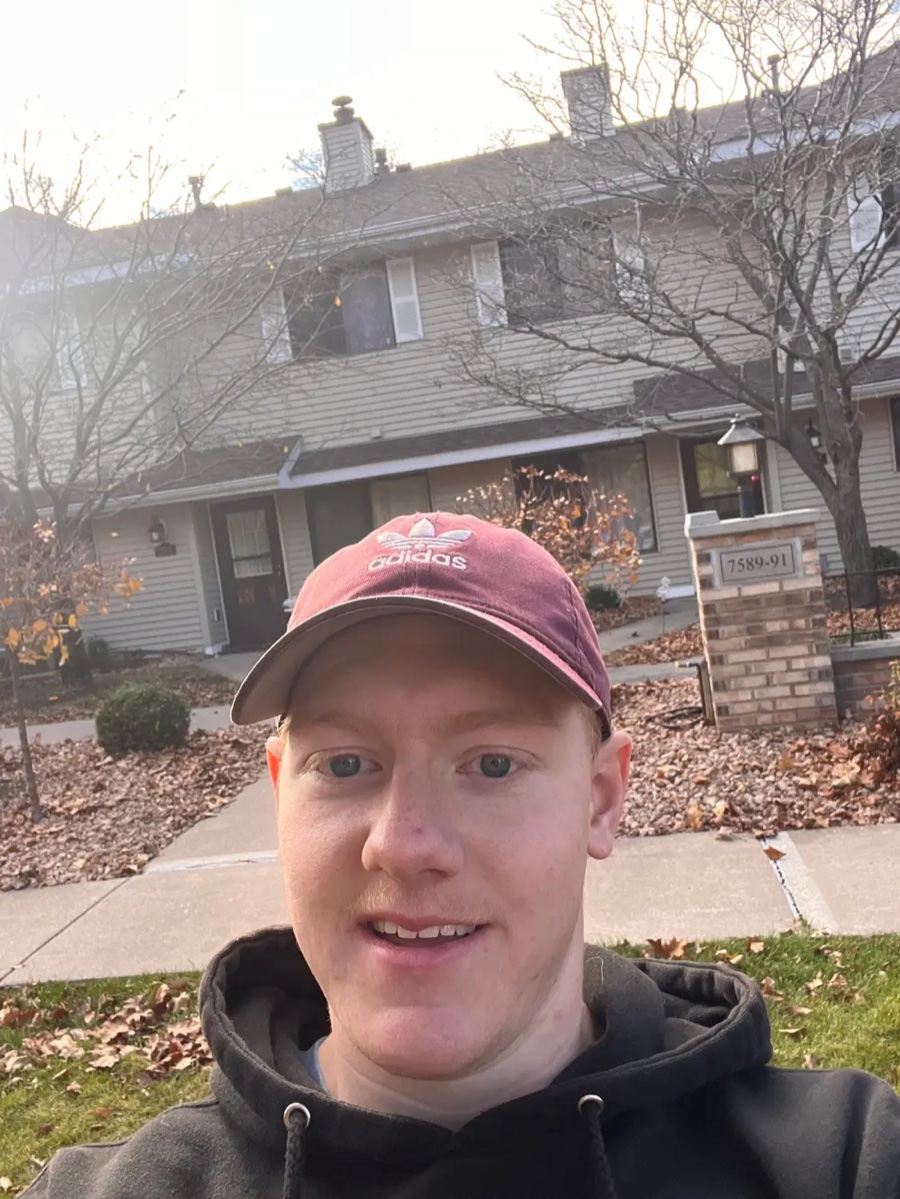
The plan was a pension
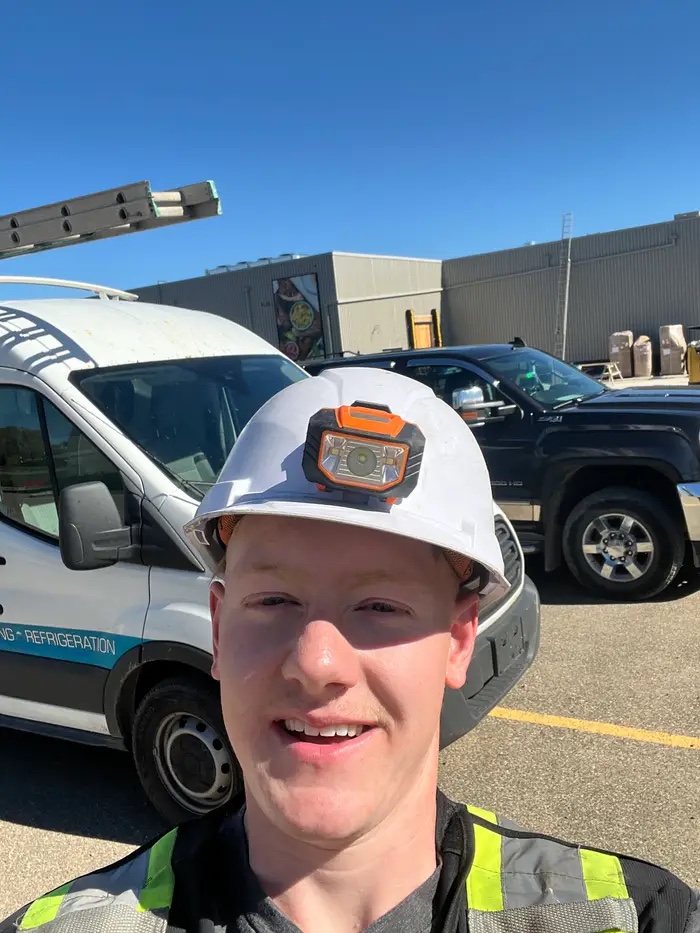
I grew up in Regina, Saskatchewan, and the script was already written: go to university, get a government job, collect the pension. Instead I spent three years as a commercial HVAC and refrigeration mechanic. Rooftop units, hospital ice machines, walk-in coolers and freezers, ceiling spaces, crawl spaces. The places most people won't work.
My dad had rental properties, still does, and I grew up inside that world: evictions, repairs between tenants, showings, throwing old mattresses into dumpster bins. I saw what owning rentals actually looks like. I also saw that residential rentals in Canada didn't add up for me.
Why not Canada
My original plan was five to ten years in the trade, save everything, then buy an apartment building with at least 32 units and live in one of them.
But Canadian mortgages renew every five years. You can project taxes and insurance going up. You can't control what rate you'll renew at, and one bad renewal can wreck a property that was cash flowing. In the U.S. you can lock a rate for 30 years. Once that clicked, flipping houses in the U.S. made more sense than multifamily in Canada. The market is bigger and the numbers actually work.
Learning it from the wrong side of the border
In March 2024 a guy I used to work with in HVAC sent me a webinar on U.S. real estate. That was the spark. From there it was YouTube, books on Canadian snowbird tax strategy, and calls with cross-border accountants and U.S. attorneys who had worked with Canadians before.
In October 2024 I quit my HVAC job. That November I got in my car and drove two days to Minnesota to knock on doors looking for houses to buy. I got doors slammed in my face. That was the only scouting trip I ever made. Everything since has been done from Canada.
The first deal
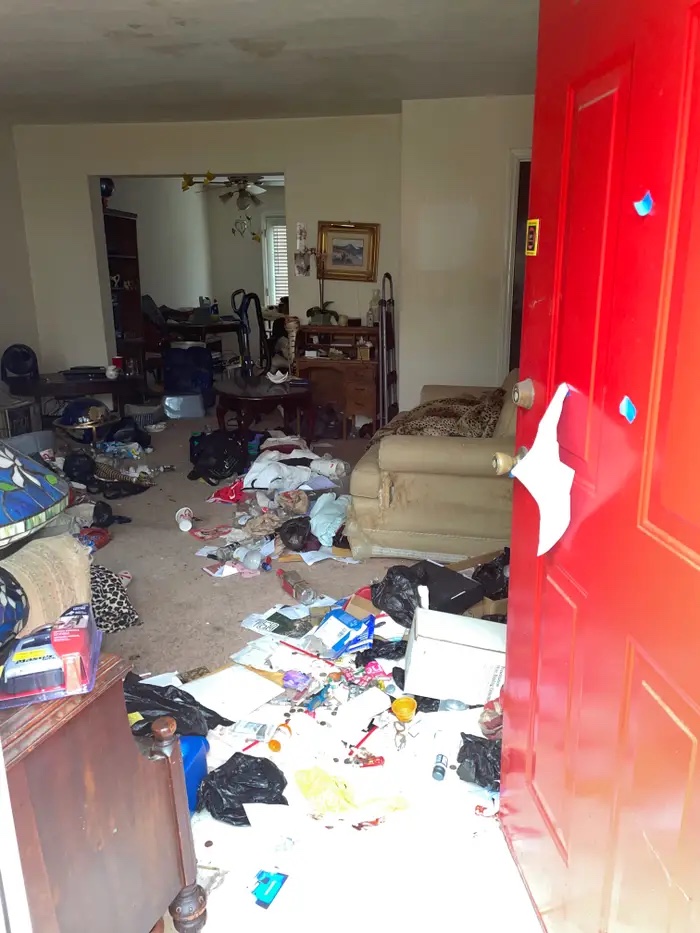
It took until March 2025 to buy my first property: a pre-foreclosure condo just outside Atlanta. The owner was an older lady who had moved into assisted living and fallen behind on her payments. I bought the condo from her, paid off her mortgage, and took on the utility liens stacked against the property. About $70,000 in cash.
I found someone online to go take pictures, and that's how we learned it was a hoarder house. Cat poop everywhere, power shut off, a disaster inside. I lined up a buyer anyway and sold it as-is about three weeks later for $130,000.
What the business actually is
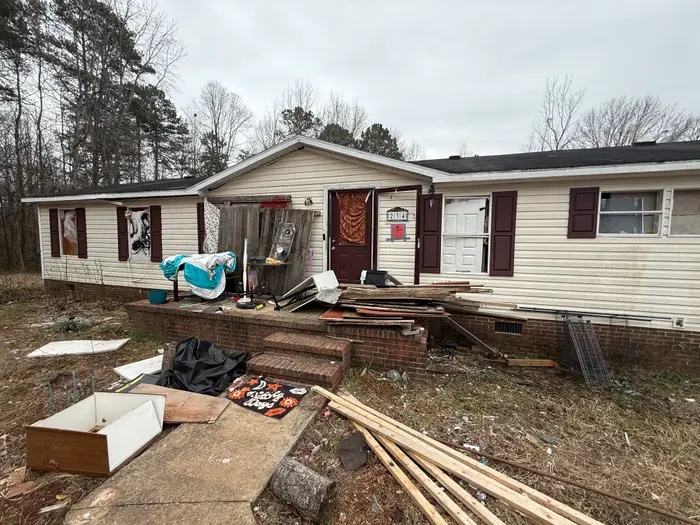
Since that first one it's been over 30 deals, about two a month. I buy the real estate most buyers walk away from. Someone passed away, the family is fighting, the mortgage didn't get paid. Sometimes the house is vacant, sometimes someone is living in it, sometimes we have to track people down. Sometimes there's a will locked in a safety deposit box, nobody knows which bank it's at, and the heir who might have the key is missing.
I own the properties, fix what's wrong with the ownership, and find a buyer. The average deal makes about $25,000 before overhead, payroll, and everything else it takes to keep the machine running.
The honest part
If I could go back, knowing how hard this would be and how much it takes to turn it into a real business, I honestly would have done something else. You need an insanely high risk tolerance, and you should expect everything to take longer and cost more than you ever thought.
But I'm in it now, with a team of five and people relying on me. I'm hiring an executive assistant and a business operations manager to get myself out of the middle. Last year we did deals in 13 states and it was chaos. Now we're cutting back to a few core states, with South Carolina as the anchor.
Very few people will take on this kind of stress, risk, and complexity. It's easier to fail than most people think, and you need thick skin. That's the honest version.